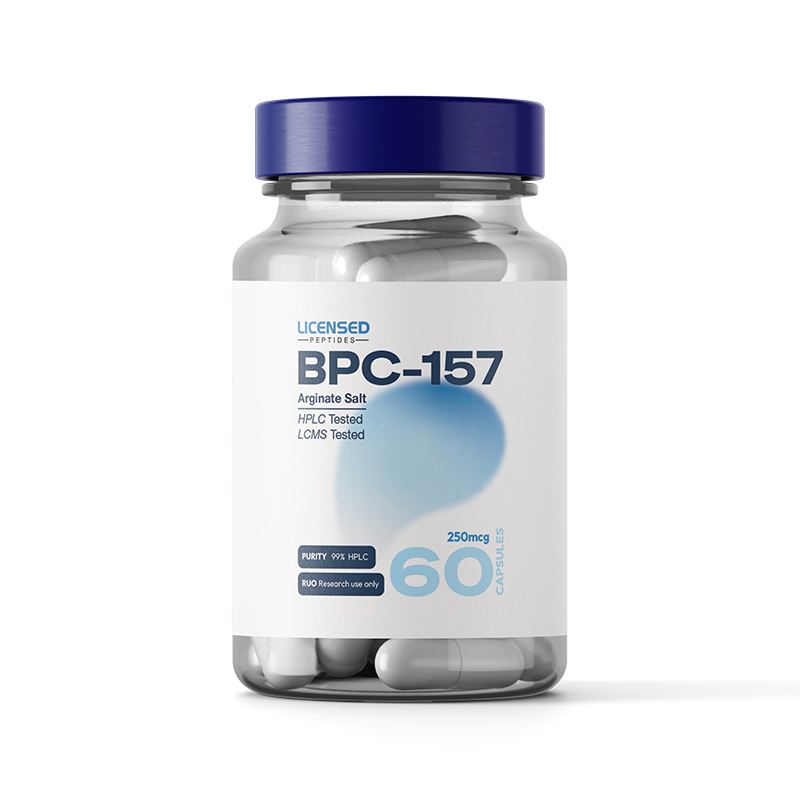

Description
5-Amino-1-methylquinolinium (commonly abbreviated 5-Amino-1MQ) is a small-molecule quinolinium salt that functions as a selective inhibitor of nicotinamide N-methyltransferase (NNMT), a cytosolic enzyme responsible for the methylation of nicotinamide using S-adenosylmethionine as a methyl donor. The compound's bicyclic aromatic core, combined with a quaternary nitrogen at the 1-position and an amino substituent at the 5-position, confers both its targeting selectivity and its favorable aqueous behavior in experimental buffer systems.
Researchers employ 5-Amino-1MQ as a chemical probe to interrogate how NNMT activity shapes intracellular nicotinamide flux, NAD⁺ homeostasis, and downstream metabolic signaling. Because NNMT sits at the intersection of one-carbon metabolism and NAD⁺ biosynthesis, its inhibition provides a means to examine how methyl-group availability and mitochondrial energetics are coupled in cell-based models, including adipocyte and fibroblast systems.
Beyond primary metabolic studies, the compound has attracted attention in oncology-focused research. Investigations have explored its capacity to suppress NNMT activity in cancer-associated fibroblasts, where elevated NNMT expression has been linked to tumor microenvironment remodeling and macrophage recruitment in preclinical bladder cancer models [1]. Separately, related quinolinium analogs have been evaluated for anti-proliferative effects in cervical cancer cell lines, with observed changes in oncogenic protein expression including phospho-Akt and Sirtuin-1 [2]. Together, these lines of inquiry position 5-Amino-1MQ as a versatile research tool for studying NNMT-dependent biology across metabolic and tumor microenvironment contexts.
References
[1] NAD(+) metabolism enzyme NNMT in cancer-associated fibroblasts drives tumor progression and resistance to immunotherapy by modulating macrophages in urothelial bladder cancer. Journal for Immunotherapy of Cancer, 2024. https://pubmed.ncbi.nlm.nih.gov/39067875/
[2] Small molecule inhibitor of nicotinamide N-methyltransferase shows anti-proliferative activity in HeLa cells. Journal of Obstetrics and Gynaecology, 2021. https://pubmed.ncbi.nlm.nih.gov/33645410/