Description
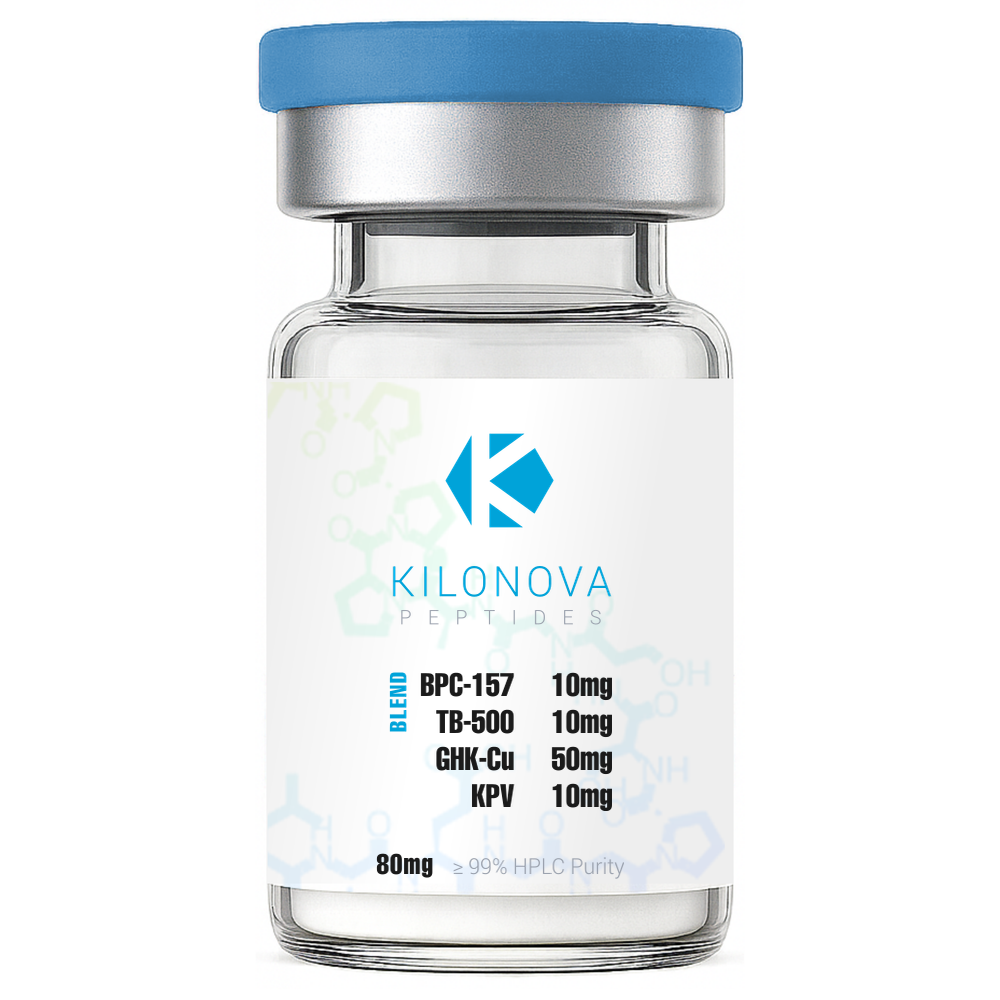
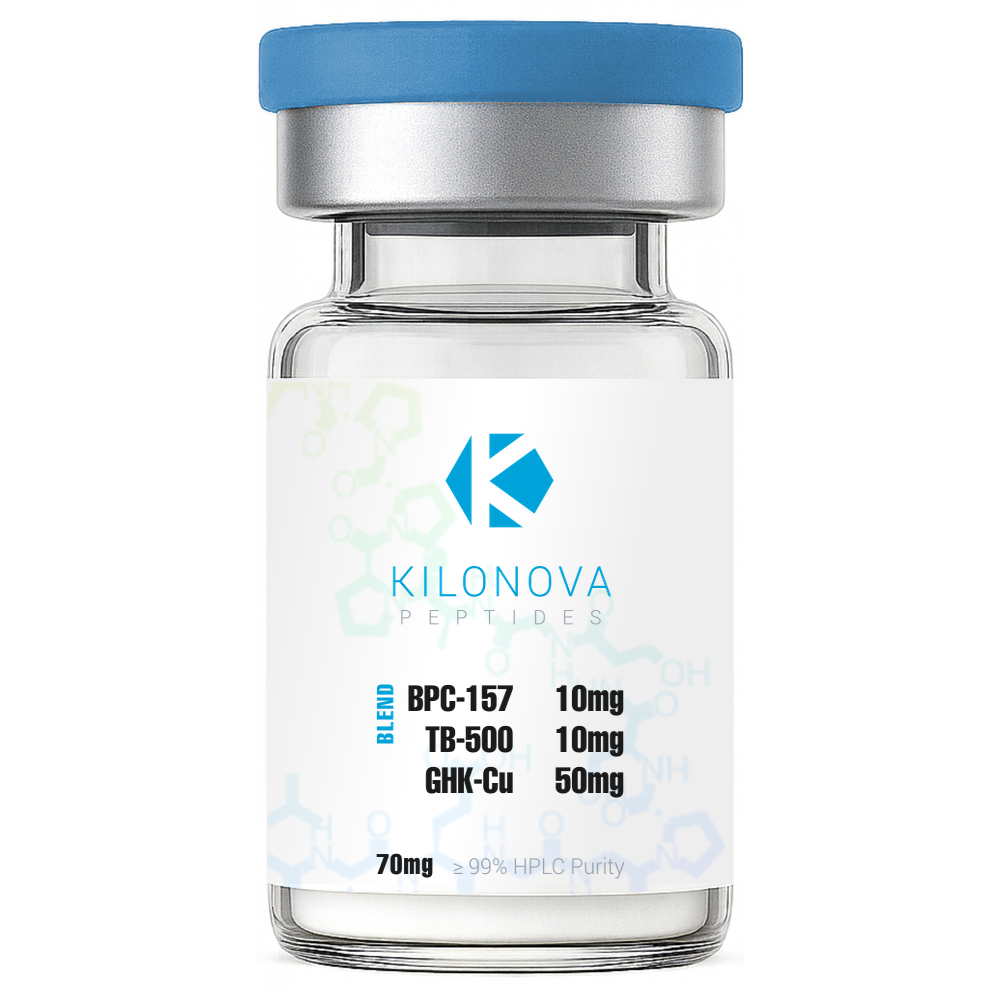
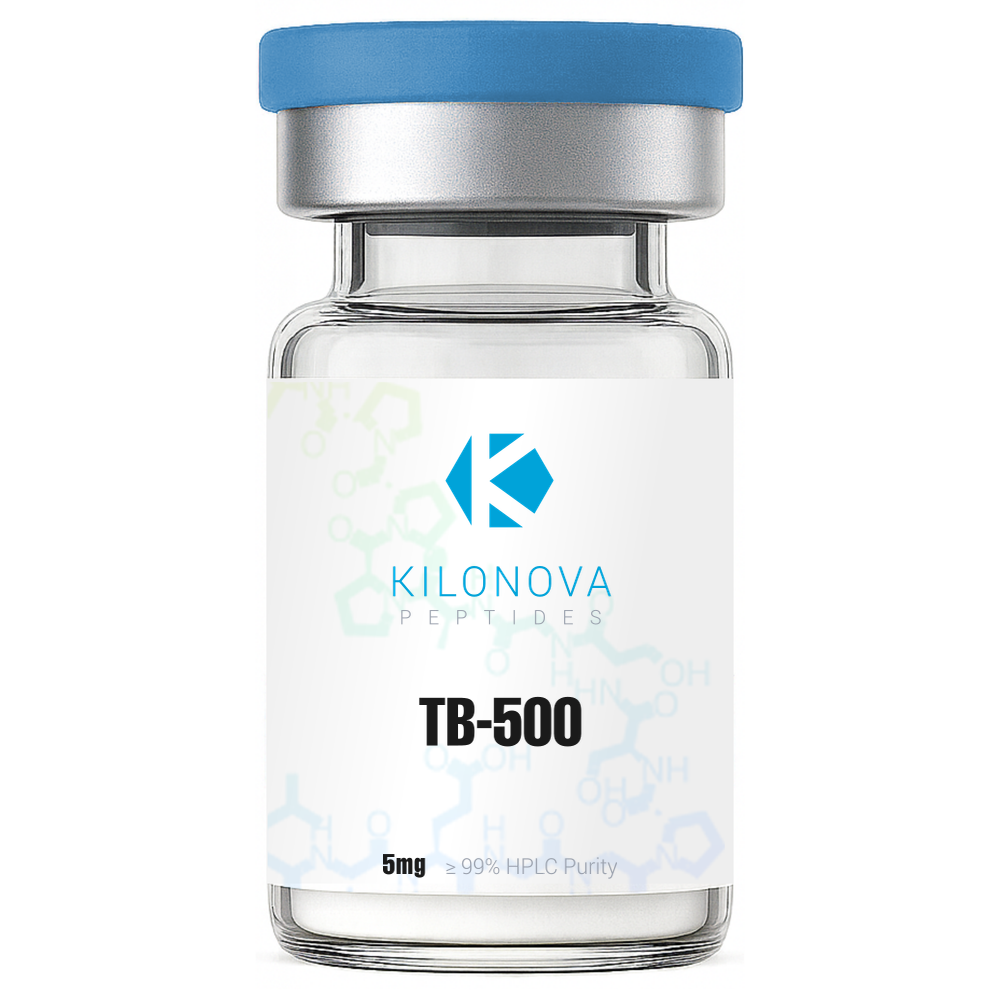
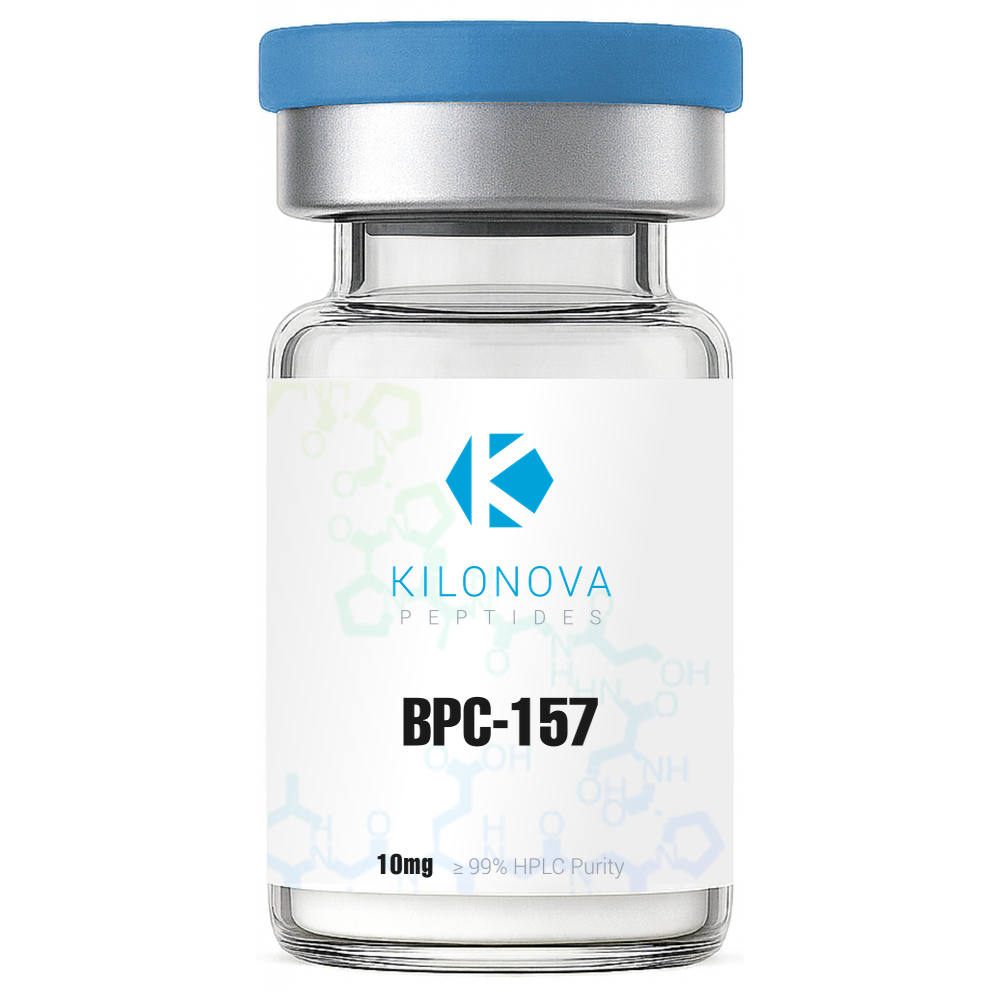
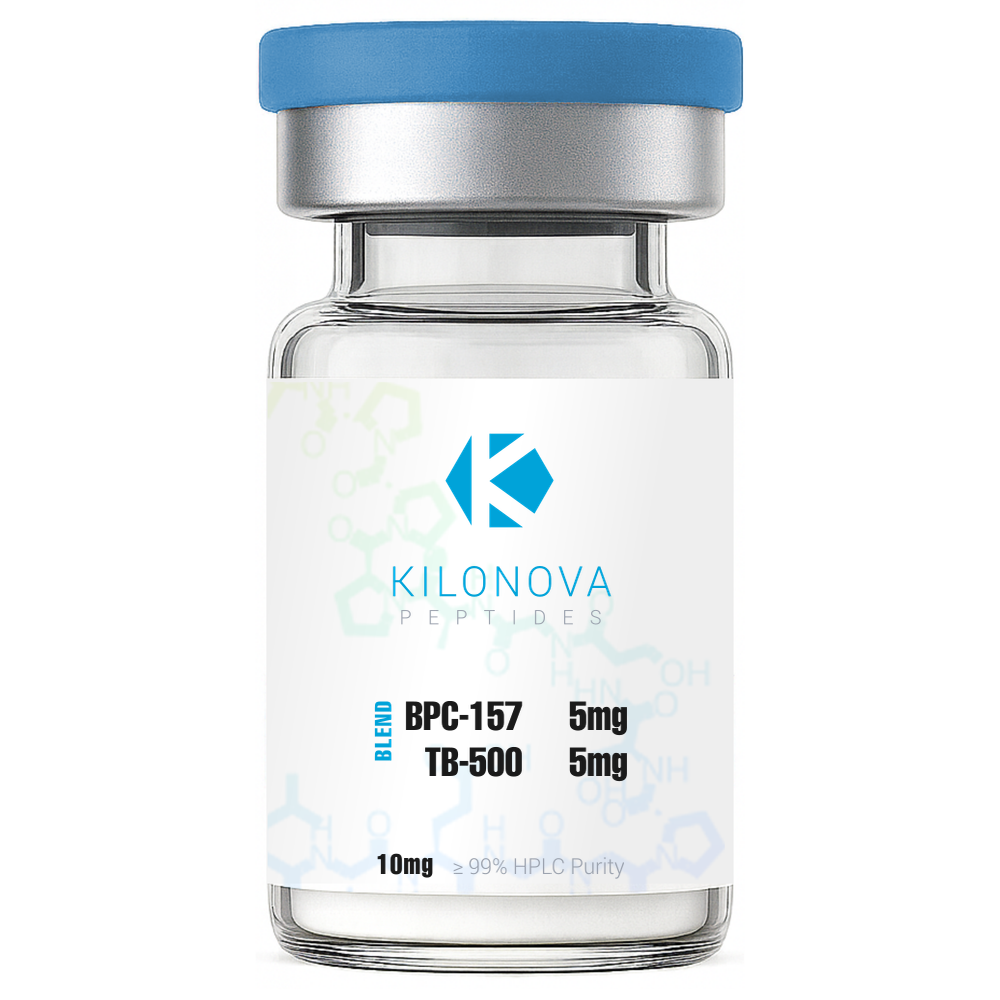
The BPC-157 / Thymosin Beta-4 Fragment Blend combines two structurally distinct synthetic peptides into a single lyophilized research preparation. BPC-157 (Body Protection Compound-157) is a pentadecapeptide composed of 15 amino acids, originally derived from a partial sequence of human gastric juice protein. Thymosin Beta-4 Fragment — commonly referenced under the working label TB-500 — is a synthetic analog corresponding to the actin-binding region of the 43-amino-acid polypeptide Thymosin Beta-4. Each component belongs to a different peptide family, yet both are subjects of active investigation in cellular and molecular biology research.
Researchers select this blend to study how the two peptides may interact or complement one another at the mechanistic level. BPC-157 has drawn interest for its role in models examining angiogenesis, cytoskeletal organization, and growth factor signaling pathways. The Thymosin Beta-4 Fragment has been investigated for its involvement in actin sequestration and cell migration dynamics. Together, the combination allows investigators to probe whether co-administration influences outcomes differently than either peptide in isolation, particularly in preclinical tissue-biology and cellular signaling contexts.
From a structural standpoint, both components are manufactured via solid-phase peptide synthesis (SPPS), a method that enables precise sequence control and high batch-to-batch reproducibility. The preparation is supplied as a lyophilized powder, a form that minimizes degradation of peptide bonds during handling and storage. Purity is verified at 99%+ by high-performance liquid chromatography (HPLC), with molecular identity confirmed through mass spectrometry and endotoxin screening conducted on each batch.
The blend is sometimes referenced informally in research literature and laboratory supply circles by colloquial shorthand that alludes to its dual-component nature and the tissue biology phenomena under investigation. Regardless of the informal nomenclature encountered across supplier catalogs or preprint discussions, the preparation refers consistently to the same combination: BPC-157 paired with the Thymosin Beta-4 actin-binding fragment, each present at a defined quantity to support controlled experimental design.
References
No external sources were cited in this section.