Description
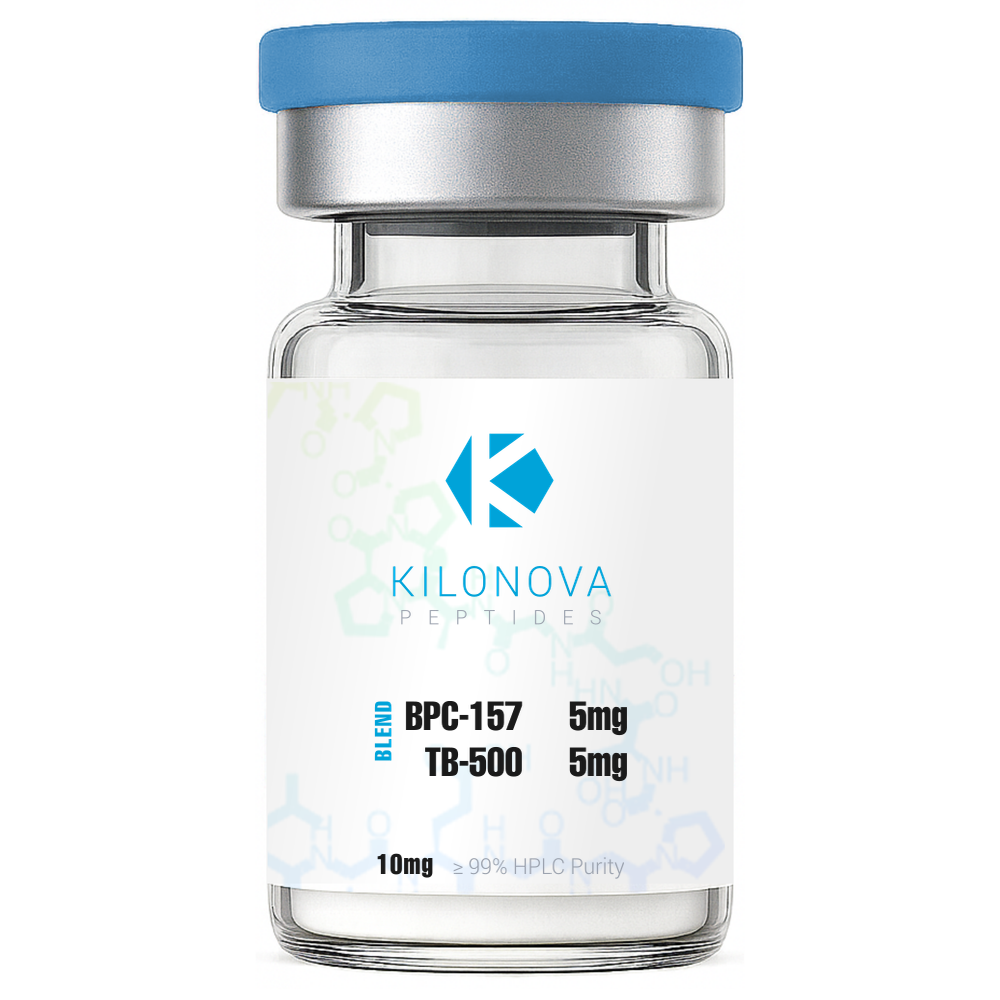
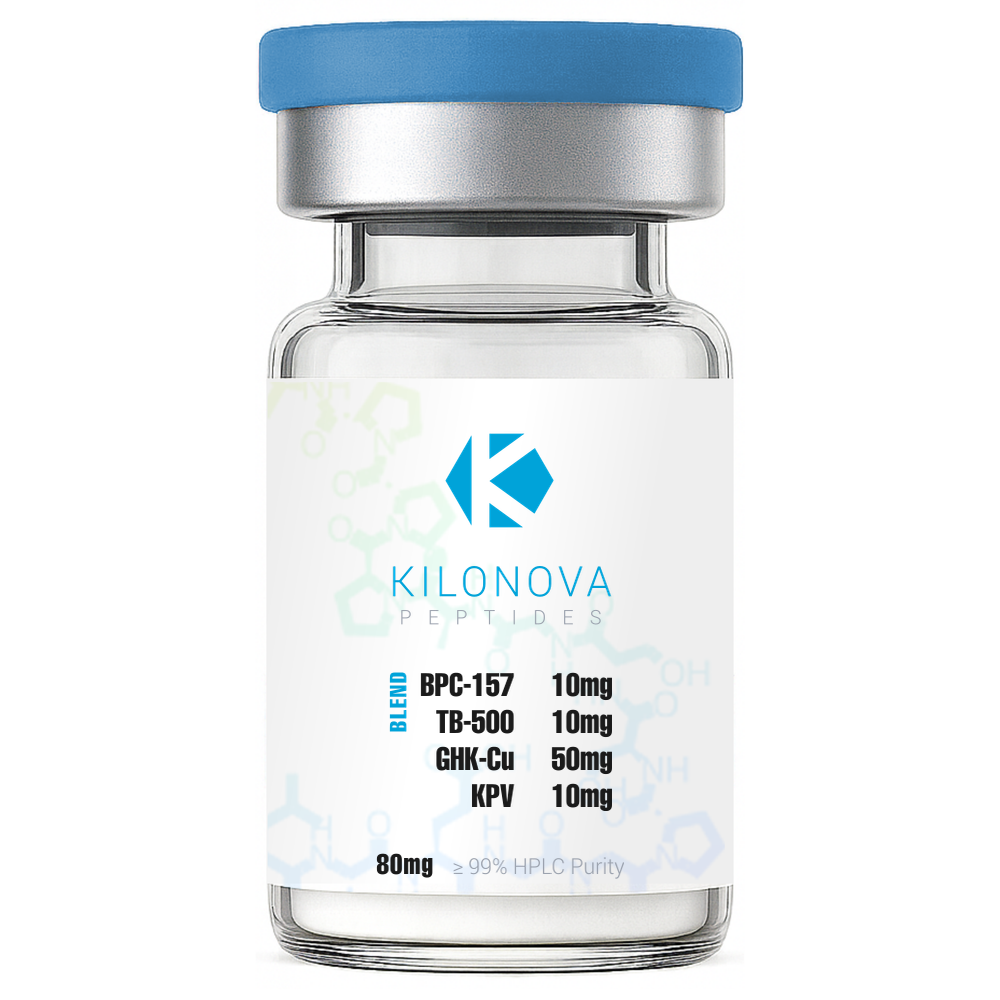
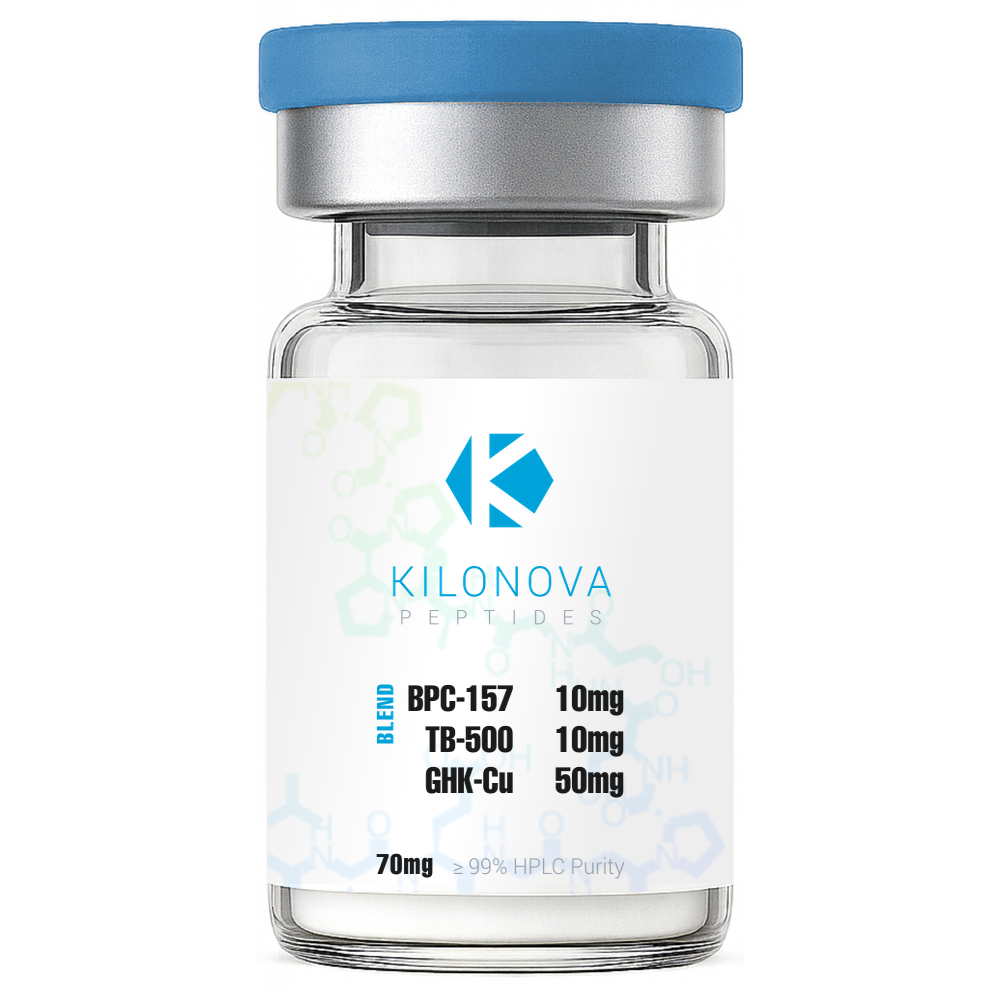
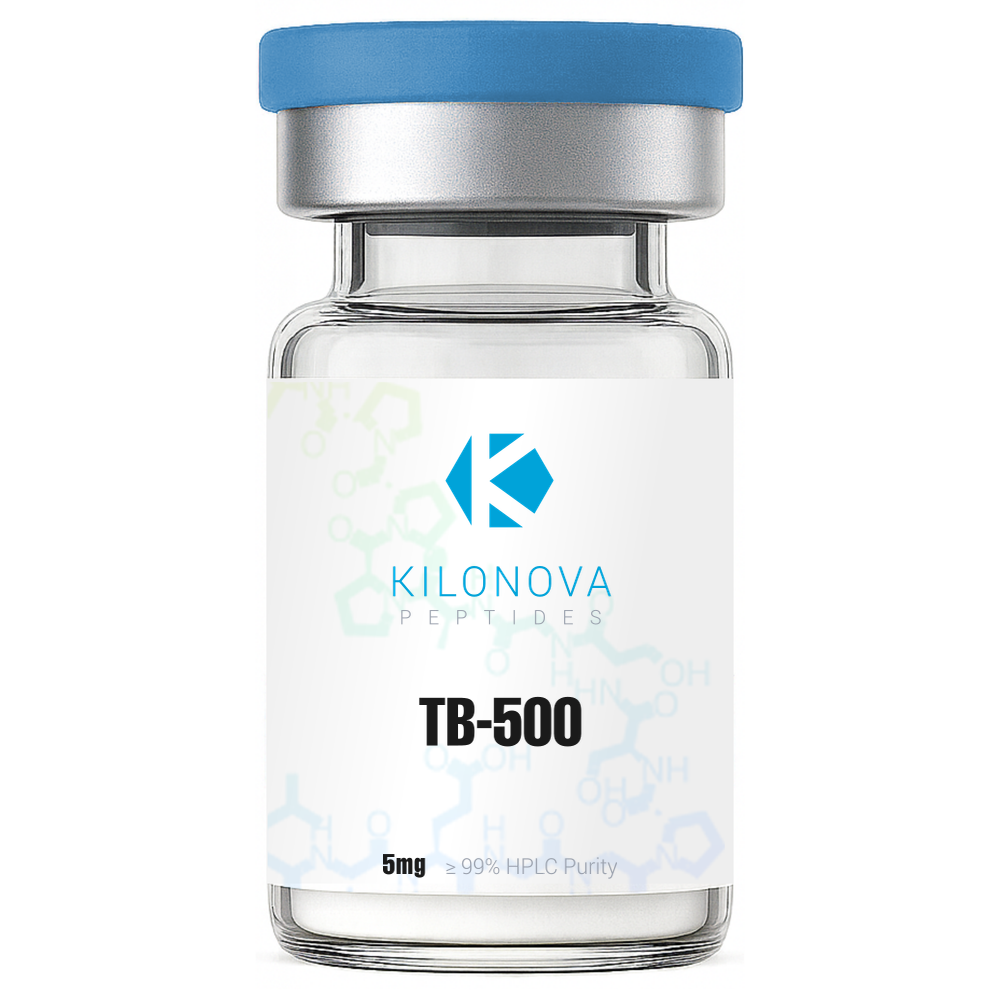
Thymosin beta-4 (also recorded under the recommended INN timbetasin) is a naturally occurring, low-molecular-weight peptide belonging to the beta-thymosin family [7]. Registered in ChEMBL with a molecular weight of approximately 3,051 Da, it is encoded in humans by the TMSB4X gene [5][7]. The peptide adopts a largely unstructured conformation in solution yet folds into a stable secondary structure upon binding its primary partner, globular (G-)actin [2].
The defining biochemical characteristic of thymosin beta-4 is its role as the principal intracellular G-actin-sequestering peptide in most vertebrate cells [2]. By forming a reversible complex with monomeric actin — governed by a dissociation constant in the micromolar range — it modulates the equilibrium between actin polymerization and depolymerization, making it a key subject of study in cytoskeletal dynamics and actin-dependent signaling research [2].
Beyond cytoskeletal regulation, research has characterized thymosin beta-4 as a multifunctional peptide present in both the nucleus and cytoplasm of cells, and detectable in platelets and macrophages [3]. Investigators have used it to examine cellular migration pathways, stem/progenitor cell mobilization, and the modulation of apoptotic and inflammatory signaling cascades across multiple preclinical model systems [3]. Its involvement in actin-linked extracellular signaling also positions it as a useful probe in studies of intercellular communication [2].
Laboratory groups working in corneal biology, wound-response modeling, and tissue-regeneration research have incorporated thymosin beta-4 into experimental designs to interrogate the molecular mechanisms underlying cell motility and tissue remodeling [3][4]. Recent preclinical work has further explored its combination with other biological agents — such as mesenchymal stem cells — to map downstream metabolic changes, including shifts in glutamine metabolism and associated NF-κB pathway activity, in ocular surface models [4].
References
[2] beta-Thymosins. Annals of the New York Academy of Sciences, 2007. https://pubmed.ncbi.nlm.nih.gov/17468232/
[3] Thymosin β4: a multi-functional regenerative peptide. Basic properties and clinical applications. Expert opinion on biological therapy, 2012. https://pubmed.ncbi.nlm.nih.gov/22074294/
[4] Identification of glutamine as a potential therapeutic target in dry eye disease. Signal transduction and targeted therapy, 2025. https://pubmed.ncbi.nlm.nih.gov/39837870/
[5] THYMOSIN (ChEMBL CHEMBL412531). ChEMBL, European Bioinformatics Institute. https://www.ebi.ac.uk/chembl/compound_report_card/CHEMBL412531/
[7] Thymosin beta-4. Wikipedia. https://en.wikipedia.org/wiki/Thymosin_beta-4